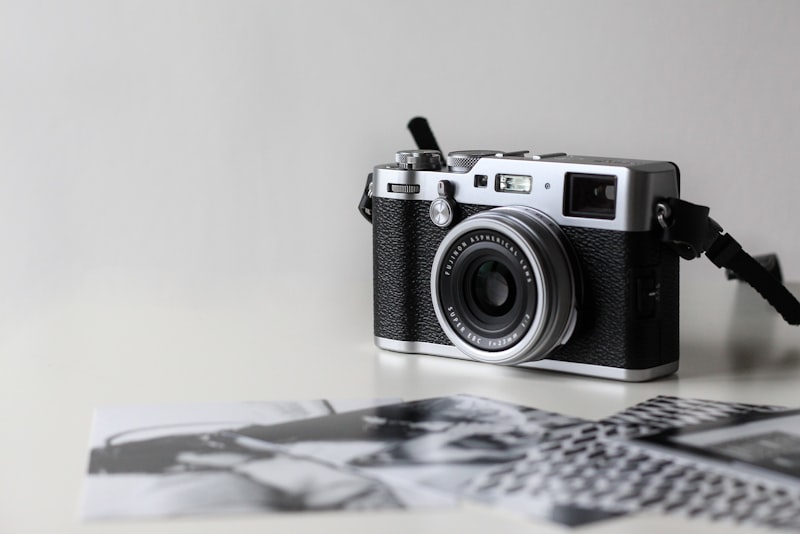
Free Photo Editing Software Worth Trying
The best free photo editing software for beginners — honest picks for organizing, everyday adjustments, and raw files, plus how to choose without paying a cent.
 Nadia Ross
The library
Every guide we've published, newest first — 28 plain-English articles across all our topics.
The best free photo editing software for beginners — honest picks for organizing, everyday adjustments, and raw files, plus how to choose without paying a cent.
Nadia Ross
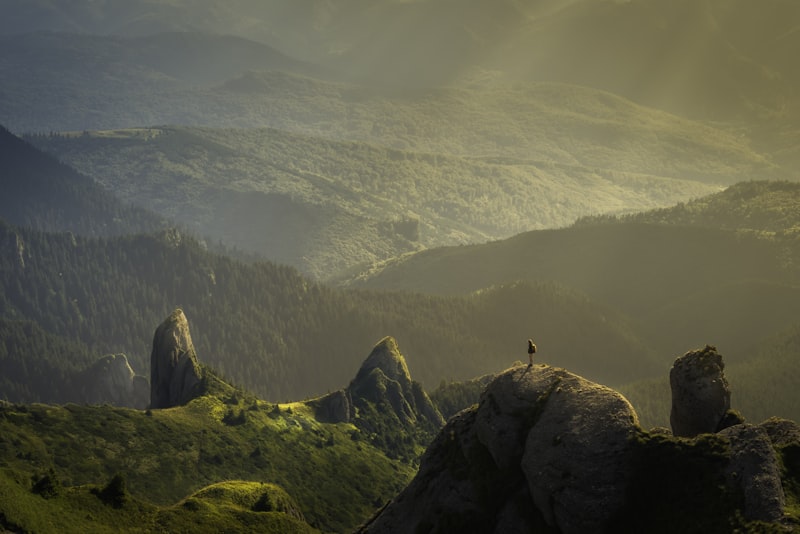
Understand the difference between soft and hard light, why the size of the light source matters, and how to choose or create the right light for your photo.
 Leo Fontaine
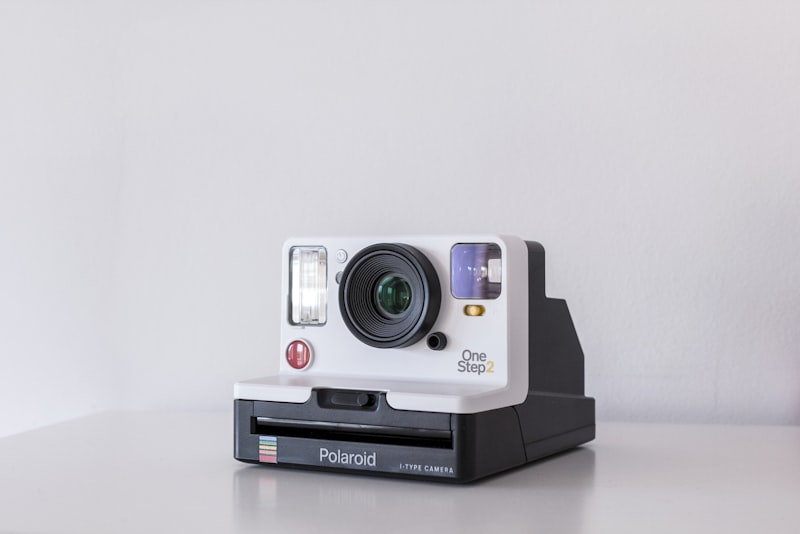
A practical checklist for buying a used camera safely — what to inspect, which numbers to check, and the red flags that signal you should walk away.
Nadia Ross
White balance basics for beginners: why photos turn orange or blue, what the presets do, and how to get natural, true-to-life color in any light.
Nadia Ross

A plain-English guide to backing up your photos so you never lose them — the 3-2-1 rule, external drives, cloud backup, and a routine that runs itself.
Nadia Ross
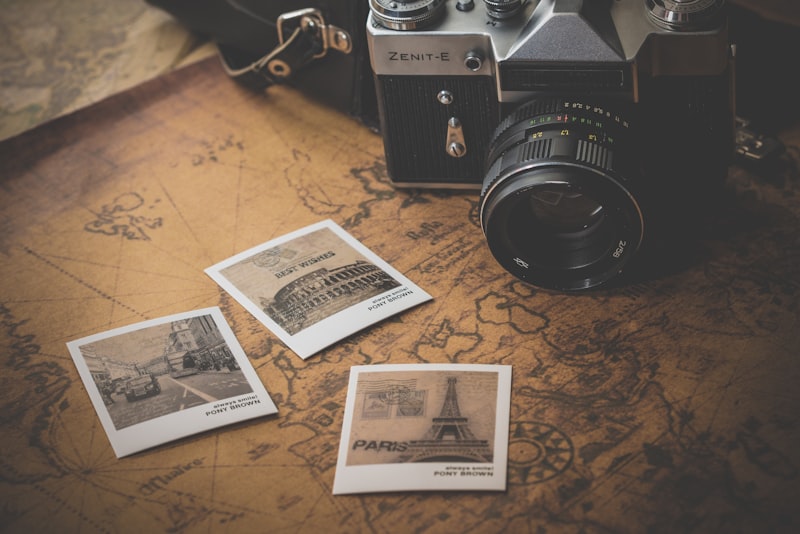
Do you actually need a tripod? An honest look at when a tripod transforms your photos, when it just weighs you down, and how to choose one.
Leo Fontaine
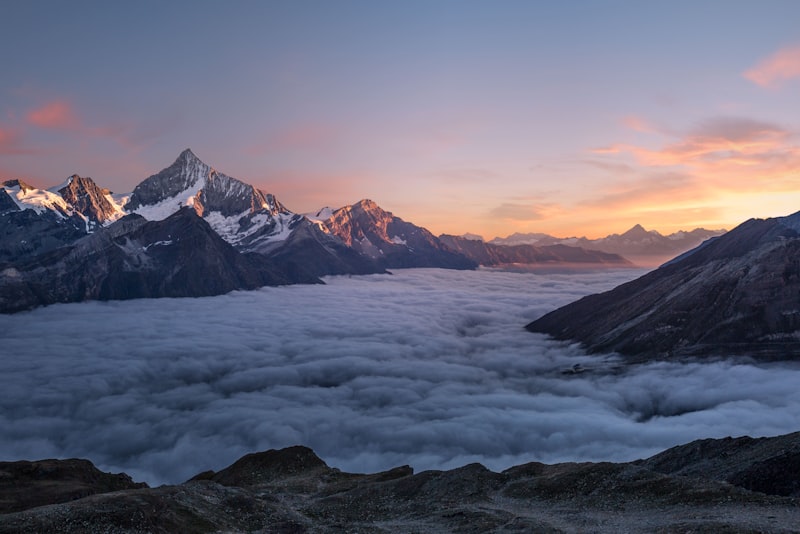
Bright overhead sun is tricky, not hopeless. Learn to find shade, use backlight, position subjects, and get clean photos in harsh midday light.
Leo Fontaine
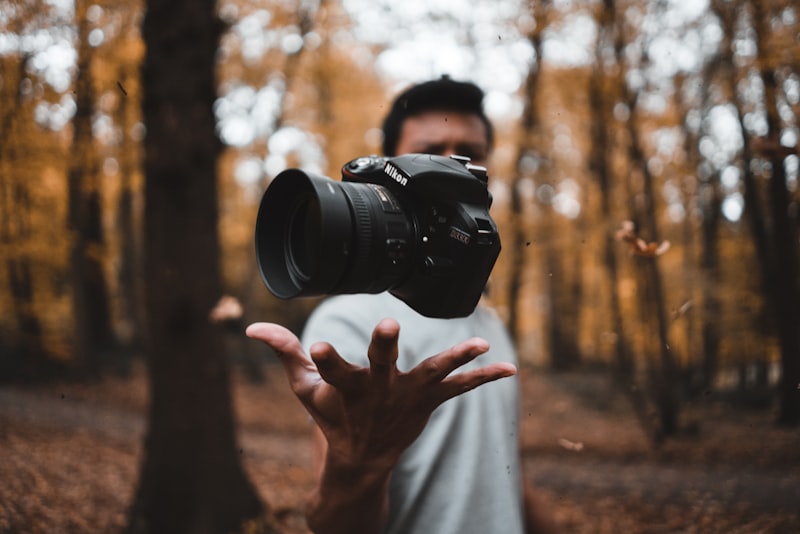
How to get sharp focus every time: choosing focus points, matching autofocus modes to your subject, and the habits that stop soft, missed shots.
Nadia Ross

A safe, step-by-step way to clean your camera and lens at home — the right order, the right tools, and the mistakes that scratch expensive glass.
Nadia Ross
Fix color casts and get natural-looking photos — how to correct white balance with temperature and tint, judge skin tones, and adjust color without overdoing it.
Leo Fontaine
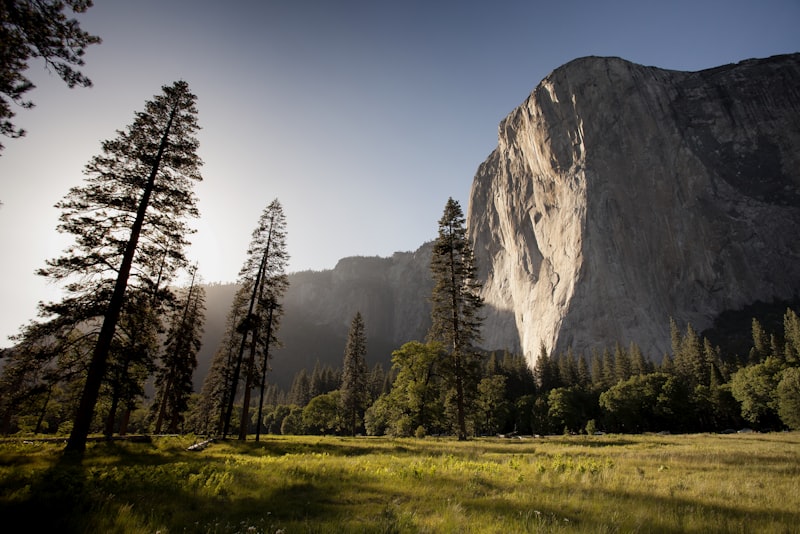
Use natural frames like doorways, windows, and branches to add depth and focus to your photos — how to find them, position them, and avoid common mistakes.
Nadia Ross
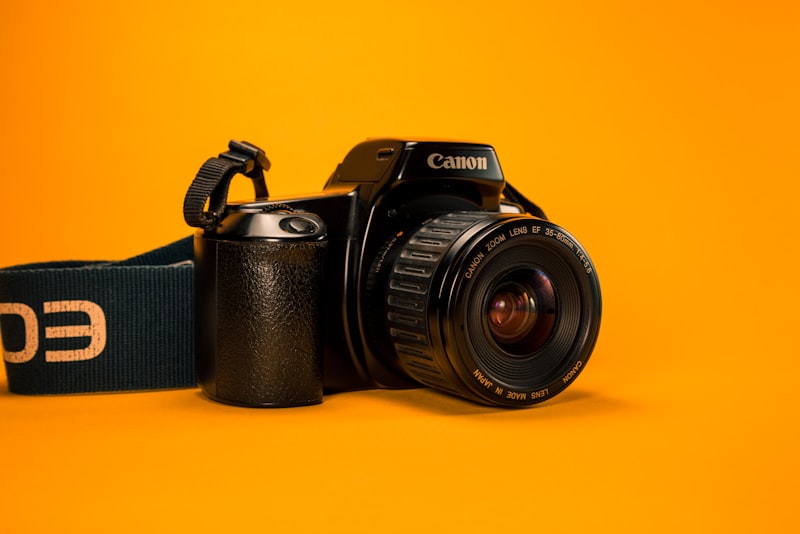
ISO explained without the fear: how it brightens a dark scene, why it adds the grain we call noise, and when to raise it for sharp low-light photos.
Leo Fontaine
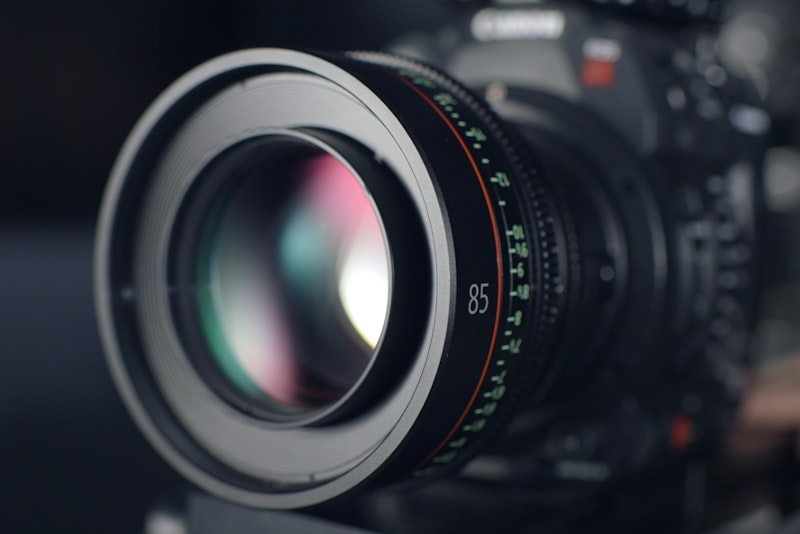
Wondering if it's time to buy a real camera? Honest signs your phone is holding you back, and when a dedicated camera is genuinely worth it.
 Iris Vance
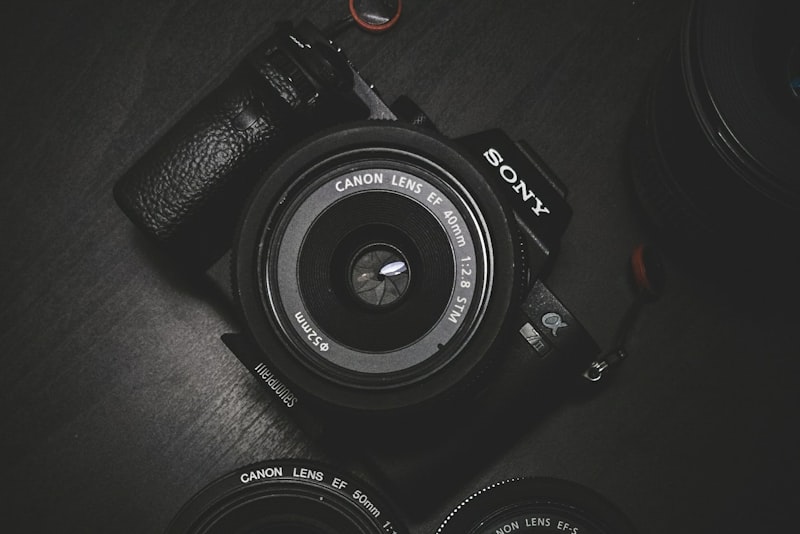
A beginner's guide to fixing exposure and contrast in editing — reading the histogram, recovering highlights and shadows, and adding depth without overdoing it.
Leo Fontaine

A beginner's guide to negative space — using empty areas around your subject to create calm, focus, and mood, plus common mistakes to avoid.
Iris Vance
Shutter speed made simple for beginners — how to freeze fast action, blur motion on purpose, and avoid camera shake in your handheld everyday photos.
Iris Vance
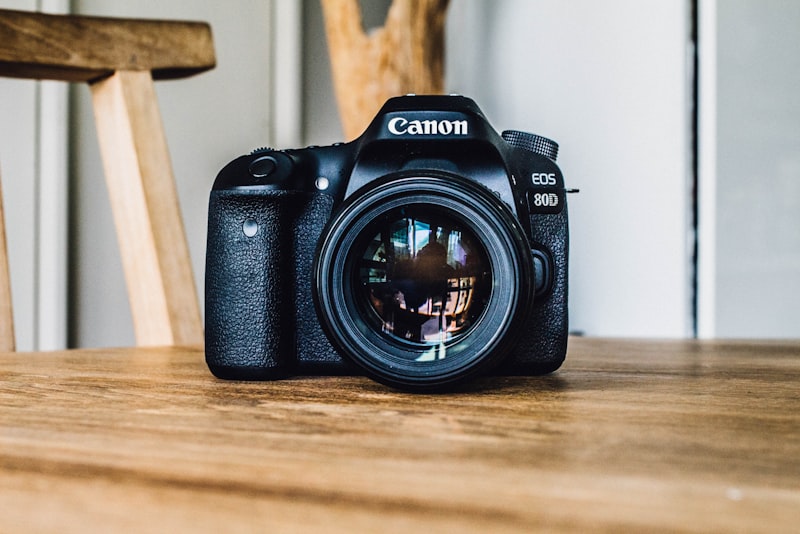
How to choose your first camera lens without overspending — matching focal length, aperture, and price to the photos you actually want to take.
Nadia Ross
Learn to cull photos quickly and confidently — a fast selection pass, honest standards, and a two-round method that leaves you with only your best shots.
Iris Vance
Aperture in plain terms: what f-stops mean, why a smaller number blurs the background, and how to choose depth of field for portraits and landscapes.
Leo Fontaine
How to use leading lines to guide the viewer's eye — spotting roads, fences, and shadows and pointing them at your subject for photos with real depth.
Iris Vance
A no-hype guide to the camera gear beginners actually need — and the stuff you can safely skip until much later, if ever, to save money.
Nadia Ross

Learn how to shoot in golden hour — when it happens, why the light flatters everything, and simple settings and angles that make the most of it.
Leo Fontaine
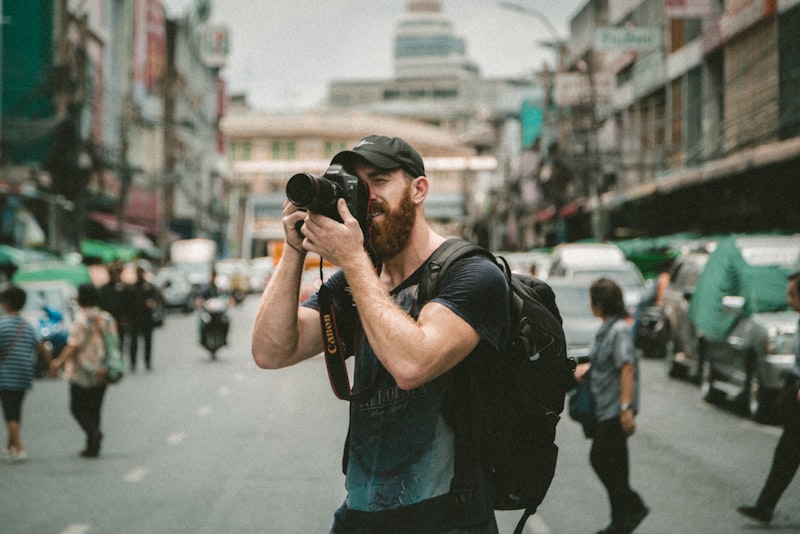
A simple, durable way to organize your photos so you can find any shot in seconds — folders by date, plain names, ratings, and one library you trust.
Nadia Ross
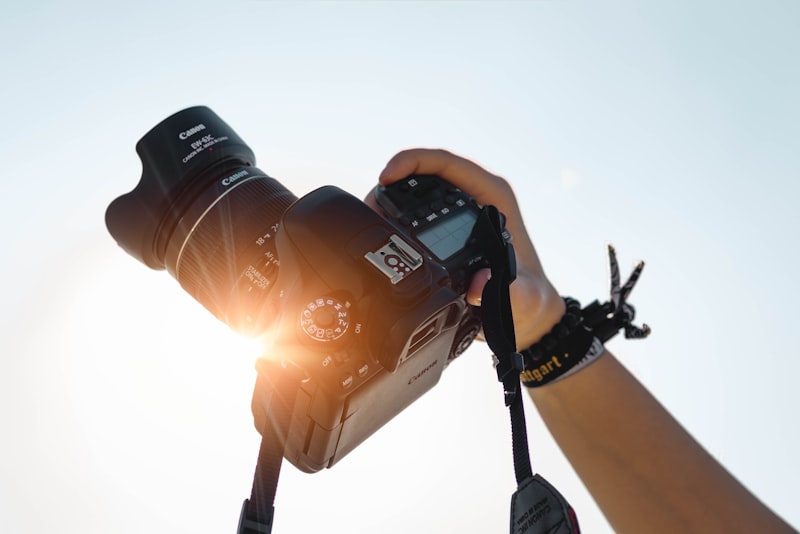
The P, A, S, and M camera modes explained for beginners — what each one controls, when to use it, and why aperture priority is the best place to start.
Iris Vance
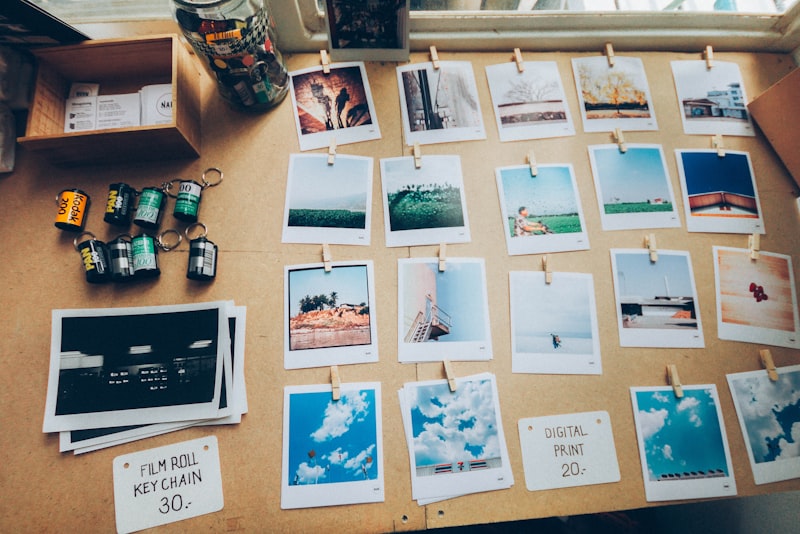
The exposure triangle — aperture, shutter speed, and ISO — explained in plain language so you can leave auto mode and control both brightness and look.
Leo Fontaine
A calm, repeatable photo editing workflow for beginners — import, cull, make basic adjustments in the right order, and finish without losing your evening.
Iris Vance
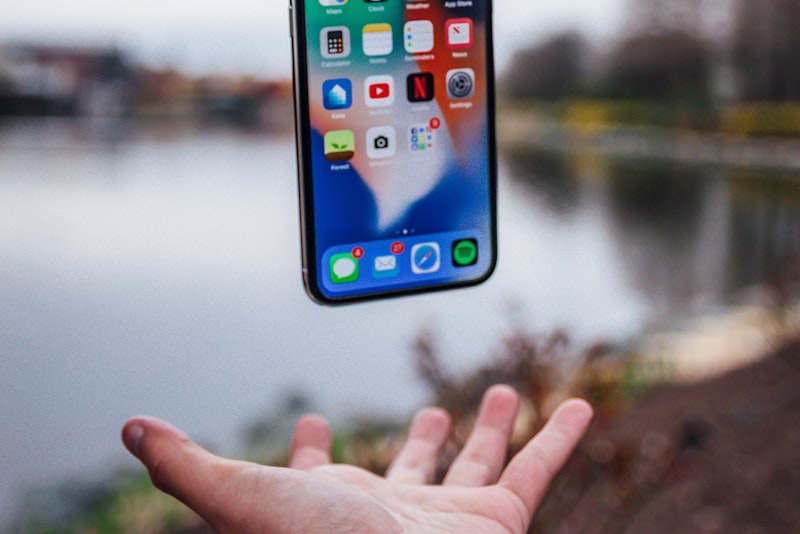
Your phone already takes sharp photos — the fix is in how you hold it, focus it, and light it. A beginner's guide to crisp phone shots.
Iris Vance
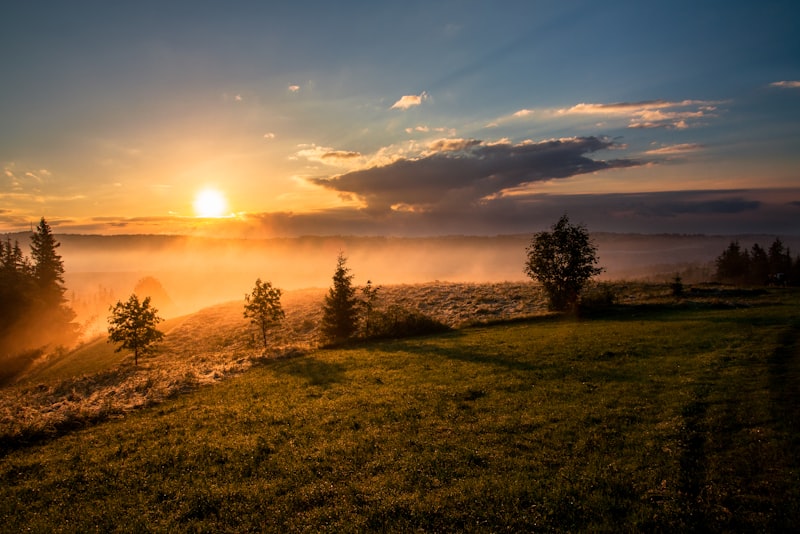
A beginner-friendly guide to the rule of thirds — what it is, how to place your subject off-center, and when breaking the rule makes a stronger photo.
Iris Vance
No guides match your search yet. Try different words, or browse by topic above.