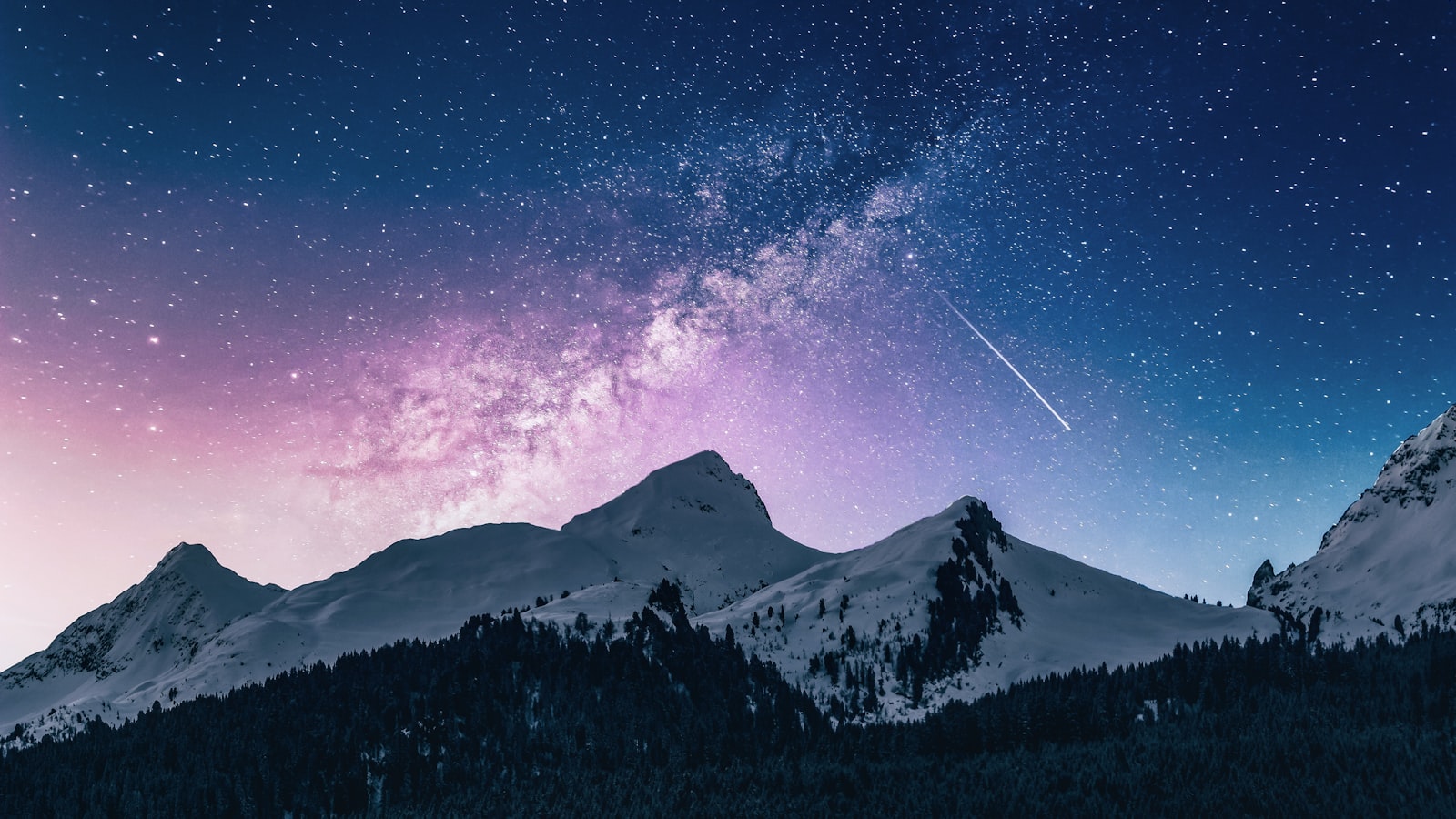
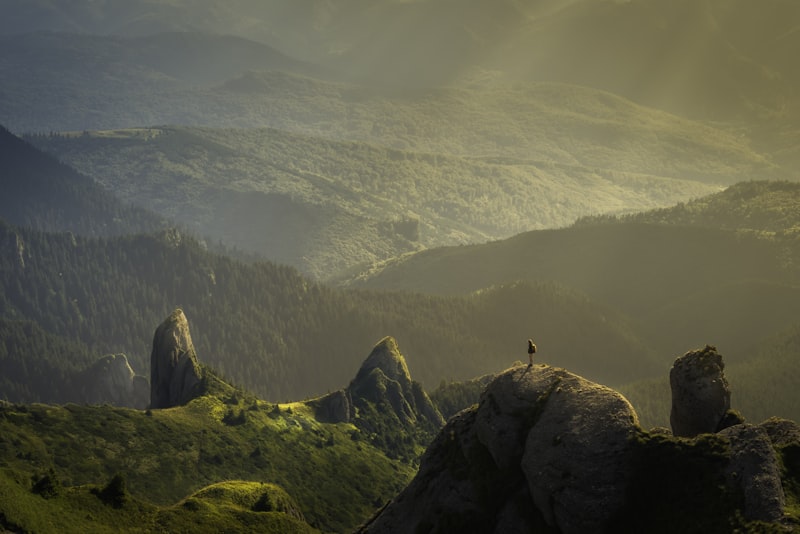
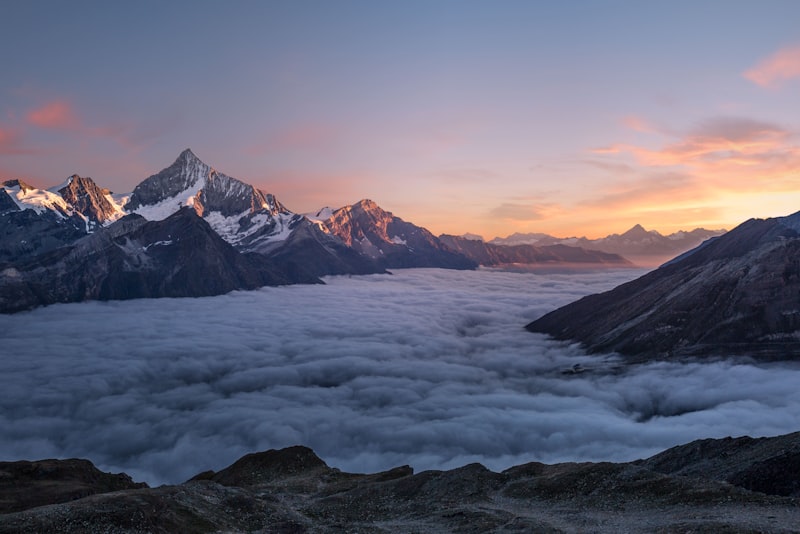
Most of us, when we start out, try to fill the frame. We zoom in, crowd the subject, and cram in as much as we can, as if empty space were wasted space. Then one day you see a photo of a tiny figure alone in a huge field of sky or sand, and it stops you cold. That emptiness is doing something. It's called negative space, and using it well is one of the quietest, most powerful moves in composition.
Negative space feels counterintuitive because it asks you to include less, not more. But that restraint is exactly what gives certain photos their calm and their punch. Here's how it works and how to start using it on purpose.
What negative space is#
Negative space is simply the empty area around and between the subjects in your photo. The subject itself — the person, the bird, the coffee cup — is the "positive space." Everything quiet around it is the negative space. The two work as a pair, and the balance between them shapes how the photo feels.
It doesn't have to be literally empty or pure white. A clear sky, a calm stretch of water, a plain wall, a field of grass, a bank of fog — all of these count as negative space because they're simple and uncluttered. What matters is that the area is quiet enough to let the subject stand out rather than competing with it.
When there's plenty of that quiet around a subject, the eye has nowhere else to go. The emptiness acts like a spotlight, isolating the subject and giving it importance. A small figure against a vast plain background often feels more striking than the same figure filling the frame, because the space around it tells you how alone, or how small, or how free they are.
Why empty space works so well#
Negative space does two things at once. First, it directs attention. With nothing else to look at, the viewer's eye settles firmly on your subject. There's no clutter to wade through and no competing detail, so the message is clear and immediate.
Second, it sets a mood. Emptiness reads as calm, stillness, solitude, or scale, depending on the scene. A lone tree in a wide, misty field feels peaceful and a little lonely. A single sailboat on an enormous sea feels small and adventurous. You're not just isolating the subject — you're using the space to say something about it.
Think of negative space as breathing room for the eye. A cramped photo makes the viewer work; a photo with space lets them rest, and that rest is what makes the subject land.
This idea sits close to the discipline of leaving room around an off-center subject, which is why negative space and how to use the rule of thirds go so well together. Place your subject on a third, then let the rest of the frame stay open, and you get both a strong position and a sense of calm.
Find backgrounds that stay quiet#
The easiest way to work with negative space is to choose a background that's already simple. You can't create emptiness out of a busy scene without a lot of effort, so start by pointing your camera at surfaces that are naturally clean.
- Sky is the classic choice — shoot upward so a bird, a kite, or a person sits against open blue or grey.
- Water in a calm state gives a smooth, uncluttered field, especially from a high angle.
- Walls that are plain or softly colored make excellent studio-like backdrops outdoors.
- Fog, mist, and haze erase the background entirely, leaving your subject floating in soft nothing.
- Snow and sand stretch out as clean, minimal fields that dwarf whatever stands on them.
Once you've found a quiet backdrop, position your subject against it and give it space to sit in. A low camera angle that puts a person against the sky, or a high angle that places them on plain ground, will often hand you the emptiness for free. The background does the work; you just have to choose it.
Give the space enough room to matter#
Here's the part beginners get wrong most often: they include a little empty space, get nervous, and fill the rest. Half-hearted negative space just looks like a mistake. For the effect to read as deliberate, you usually need to commit and leave a lot of room — sometimes two-thirds or more of the frame given over to emptiness, with the subject small and off to one side.
That can feel wrong when you're used to filling the frame, and it takes nerve the first few times. Trust it. A tiny subject in a large empty field almost always feels more intentional than a subject that's slightly off-center with a bit of space beside it. Go bigger with the emptiness than feels comfortable, then decide.
A few things to watch as you practice:
- Keep the empty area genuinely clean — one stray branch or sign breaks the spell.
- Leave enough space that it clearly looks chosen, not accidental.
- Point your subject or its gaze into the space, not out of the frame.
- Watch your exposure so a bright sky or wall stays smooth rather than blowing out or going muddy.
That last point matters more than people expect. Negative space is usually a large, even area, so any blotchiness or distraction in it is obvious. A clean, well-exposed background is what makes the emptiness feel intentional rather than empty in the bad sense.
Learn to leave things out#
The hardest habit to build in photography isn't adding — it's subtracting. We're wired to include, to capture everything, to make sure nothing gets left out. Negative space asks the opposite. It rewards you for pointing the camera at less and trusting that the emptiness is pulling its weight.
Give yourself a challenge this week: make five photos where the subject takes up less than a third of the frame and the rest is quiet. Shoot a person against the sky, an object on a plain table, a bird over water. Resist the urge to fill the gaps. When you look back, notice how the emptiness pulls your eye straight to the subject and how calm the pictures feel. Once you've felt that, you'll stop seeing empty space as wasted and start seeing it as one of the strongest tools you have.