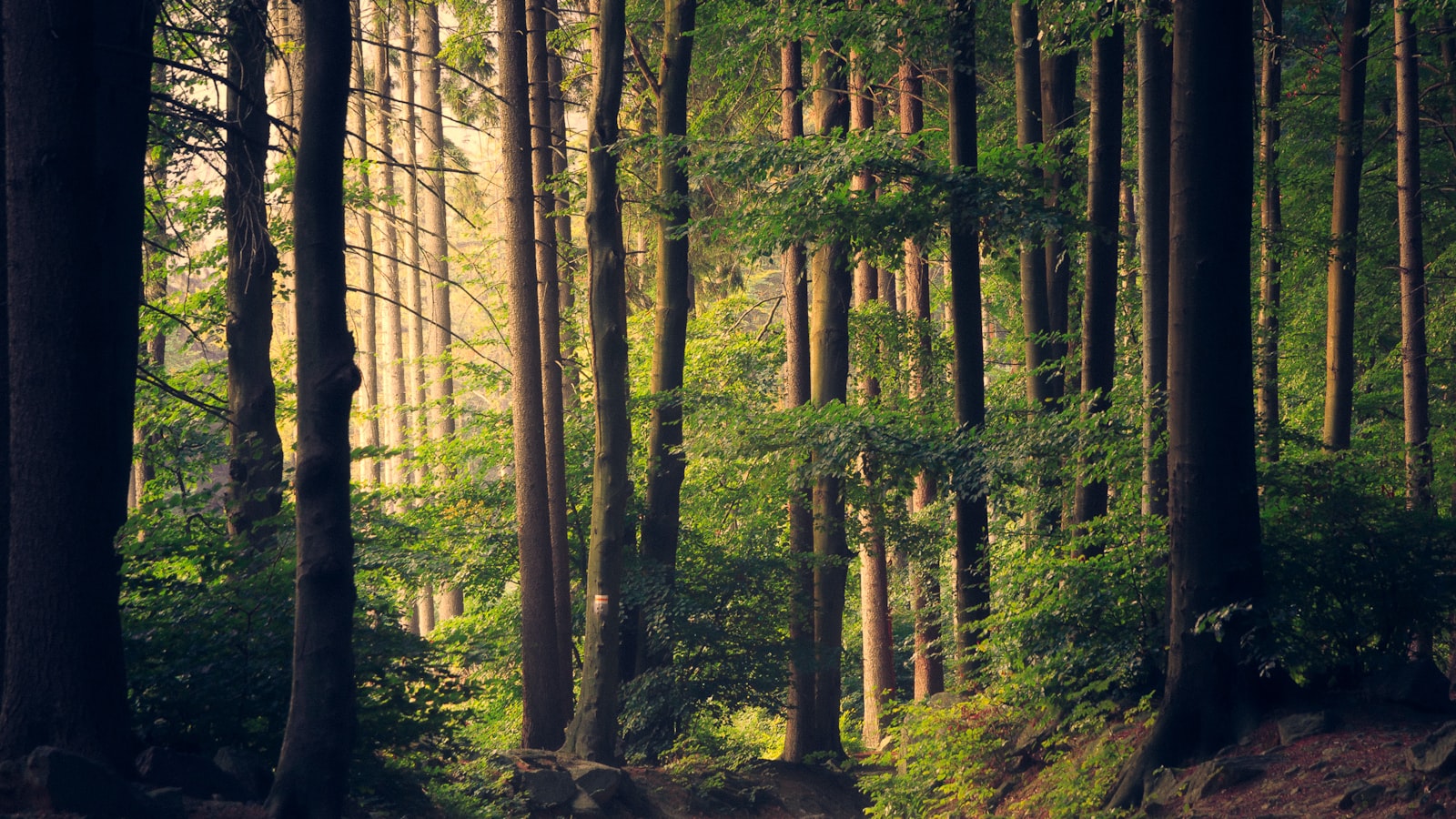
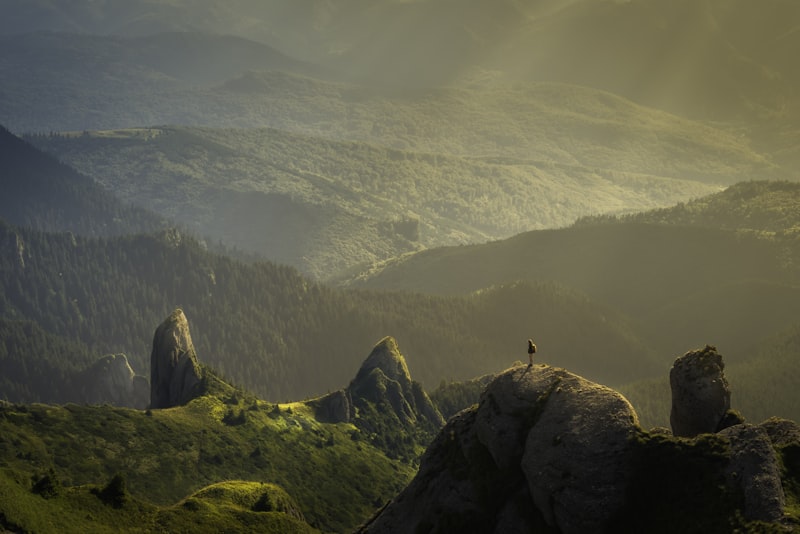
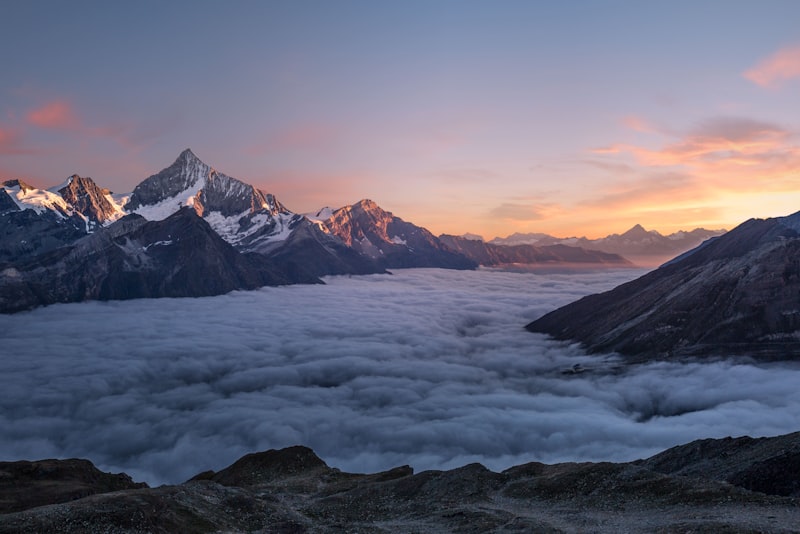
Ask a room full of photographers when they like to shoot, and most of them will name the same two windows: just after the sun comes up, and just before it goes down. There's nothing mystical about it. The light at those times is low, warm, and soft, and it makes almost everything — faces, streets, hills, a plain cup on a windowsill — look better than it does at noon.
The good news is that golden hour asks very little of you. You don't need expensive gear or perfect weather. You mostly need to show up at the right time and pay attention to where the sun is. Once you do that a few times, you'll start planning your days around it.
What golden hour is and when it happens#
Golden hour is the stretch of time, roughly an hour long, right after sunrise and right before sunset, when the sun sits low on the horizon. Because the light travels through more of the atmosphere at that angle, the harsh blue is scattered away and what reaches you is warm — gold, amber, sometimes a soft pink. It's the opposite of the flat, hard light you get when the sun is overhead.
The length of the window depends on where you are and the time of year. Near the equator the sun drops fast, so golden hour can be short and sharp. Farther north or south, especially in summer, it stretches out and gives you more time to work. A quick search for "golden hour calculator" plus your location will give you the day's exact times, and it's worth checking rather than guessing.
One habit will save you more good shots than any setting: arrive early. The light shifts minute by minute, and the moment you're chasing often lasts only a few of them. Get to your spot with time to spare, get your framing sorted, and be ready when the color peaks. Scrambling to set up while the best light fades is a lesson most of us learn the hard way.
Why the light is so flattering#
The magic of golden hour is really about angle and softness working together. Because the sun is low, its light comes in almost sideways instead of straight down. That side-lighting rakes across surfaces and reveals texture — the grain of wood, the folds of a landscape, the shape of a cheekbone. Overhead light flattens all of that; low light sculpts it.
The warmth helps too. Skin tones look healthy rather than washed out, greens turn rich, and even a dull street picks up a glow. Shadows lengthen and soften, adding a sense of depth that midday sun simply can't give you.
If you only remember one thing about golden hour, make it this: the sun's low angle is doing the hard work for you. Your job is to position yourself so that angle falls across your subject in a way you like, then get out of its way.
This is also the easiest time to understand the difference between gentle and severe lighting, since golden hour sits at the soft end of the scale. If you want to go deeper on that spectrum, soft light vs hard light explained breaks down why one flatters and the other challenges.
Shoot with the sun in three directions#
The same golden light gives you three completely different photos depending on where the sun sits relative to your subject. Learning to move around your subject is the single most useful skill here.
- Front light: with the sun behind you, your subject is evenly and warmly lit. It's the safe, reliable choice for clear, colorful photos, though it can look a little flat.
- Side light: with the sun off to one side, you get the texture and depth I mentioned earlier. This is where landscapes and portraits gain real dimension.
- Back light: with the sun behind your subject, you get glowing edges, rim light around hair, and the chance for silhouettes or a soft, hazy flare.
Don't settle for the first angle you try. Walk a quarter-circle around your subject and watch how the light changes as you go. The best frame is often one you find by moving your feet, not by adjusting a dial. And when you point the camera toward the sun, use your hand or a tree to shade the lens, then check whether a little flare adds to the mood or just muddies it.
Settings that keep the warmth#
You don't need to overthink the technical side, but a few choices protect the look you're after. The most important one is white balance. Cameras and phones love to "correct" warm light back toward neutral, which drains away the very color you came for. If your camera has a white balance setting, try Daylight or Cloudy to keep the gold. On a phone, avoid tapping around too much, since some auto modes cool the image down.
Watch your exposure carefully, especially when shooting toward the sun. Bright skies can fool the camera into darkening everything else, leaving your subject a shadow. Tap on your subject to meter for it, or dial in a little positive exposure compensation, and accept that a bright sky may blow out — that's often a fair trade for a well-lit face.
A short checklist I run through before the light peaks:
- Set white balance to Daylight or Cloudy to hold the warmth.
- Meter for your subject, not the sky.
- Keep the lens shaded unless you want flare.
- Take the shot, then move and take it again from a new angle.
Because golden hour light already comes from a flattering direction, you rarely need to fight it. That's a relief after wrestling with high sun — a very different problem I get into in how to shoot in harsh midday sun. Golden hour is forgiving; midday is not.
Make it a habit, not a lucky accident#
The photographers who consistently come home with warm, glowing images aren't luckier than you. They just treat golden hour as an appointment. They check the sunset time, they scout the spot in advance, and they're standing there, camera ready, before the color arrives.
Try it this week. Pick one evening, find the sunset time for where you live, and get outside twenty minutes before it. Bring whatever camera you own. Shoot the same subject from the front, the side, and into the light, and watch how one hour hands you three different photos. Do that a few times and golden hour stops feeling like a rare gift and starts feeling like something you can count on — a reliable, beautiful hour that's there almost every day, waiting for you to show up.